Realism Will Not Save Us
Fidelity is not what will capture human experience in games
Ed Smith’s recent writing on Bullet Points Monthly included the line, “Games, such as they can be singularly personified, are more interested in the physical pulchritude and alternate fire modes of the assault rifle than the feelings of the man firing it. And so the language of videogames—how games are made, the tools for creating them, the ideas which are prioritised in conversations regarding videogame design, and all of videogames’ formal characteristics—have evolved to serve these genres, or rather, the spectacular aspects of these genres.” Thinking about this and the possible solutions, the one incorrect solution my mind jumped to, and something those in control of the market have chased and will continue to chase to compensate for this prioritization, is: realism/fidelity in the rendering of graphics in order to more closely match our reality.
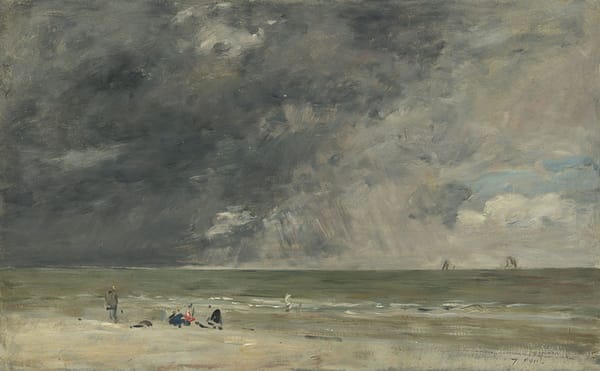
To chase after this under the belief that it is required in order for the audience to believe, understand, and ultimately empathize with those being presented is to undermine the audience's ability to buy into lies. We buy into lies all the time. Film itself is a lie, a series of still images displayed in such an order and accompanied by edited audio tracks that it creates a fiction that we believe in (when it is done well). We know the people in the images are just actors playing a role. We know the setting is either a stage or a scouted location. Documentaries can be so powerful because they are images and sound that we are told is delivering the truth as opposed to the lies we so often view. Sometimes, even that is a lie. We stand in front of paintings, sometimes as far as presenting an image of reality as possible, and still it moves something inside of us. We watch animation and computer graphics and still buy into the lie. We watch beings conjured up by computers and believe in them.
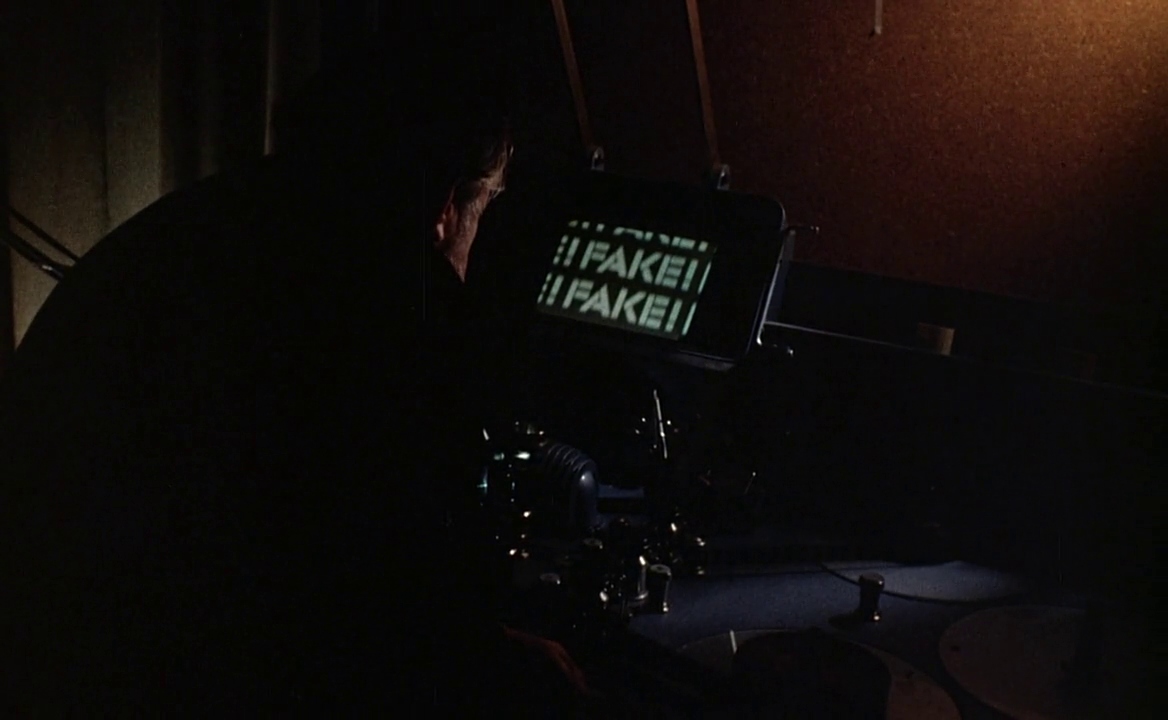
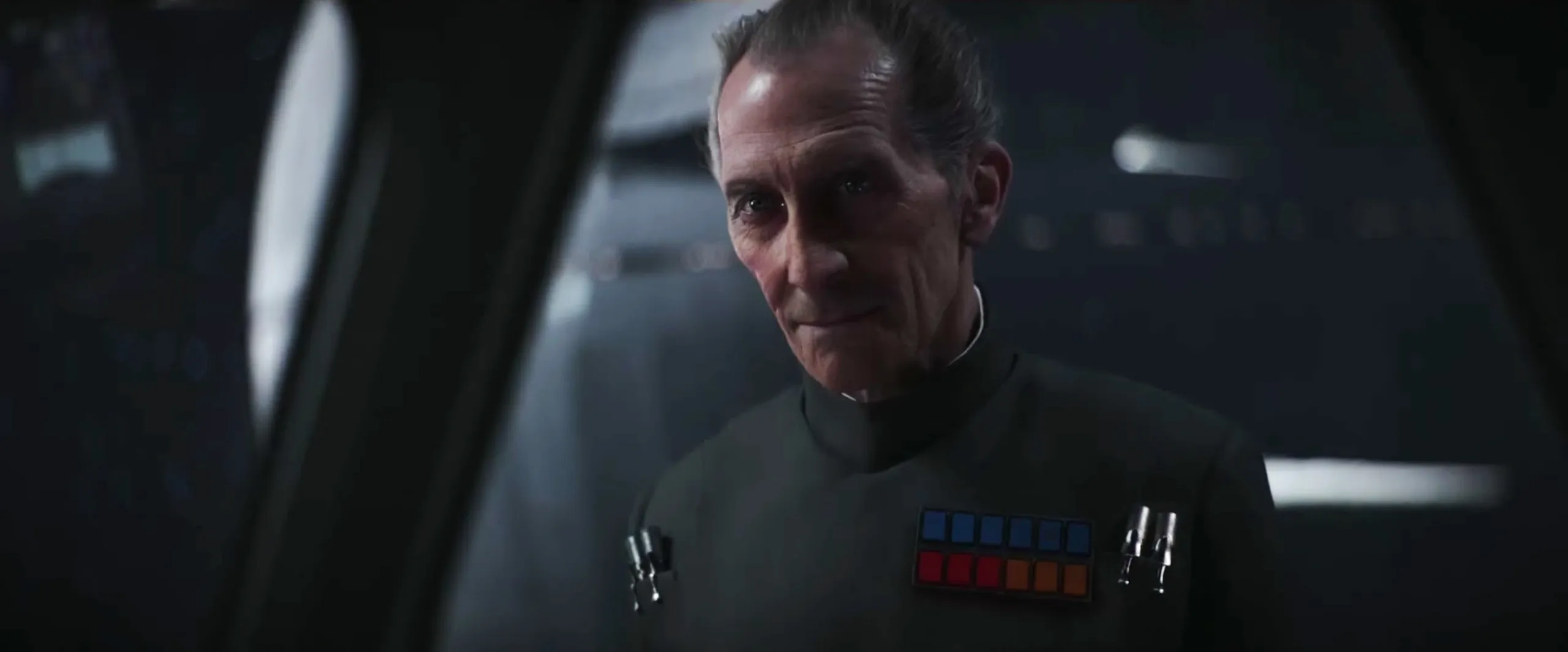
Sometimes we don’t, and sometimes we shouldn’t. Digital resurrection of deceased actors are frequently criticized as failing to match the other lies on display, as being more obvious a lie than the real actor standing opposite to them. More importantly I think this usage should be opposed on moral grounds. For all my affection for Rogue One the digital Peter Cushing was completely unnecessary and gives an ill feeling. It is gross for a company to digitally construct and puppeteer a dead person to help its bottom line. This is a lie I cannot, and will not, buy into. Find a similarly looking actor and I’ll believe you. Hopefully the recent bombing of Indiana Jones with its expensive de-aged Harrison Ford segment will convince Disney, ever the exemplary for everything wrong with our current day entertainment industry problems, it is cheaper, and better, to simply cast a lookalike instead of digitizing faces onto bodies.
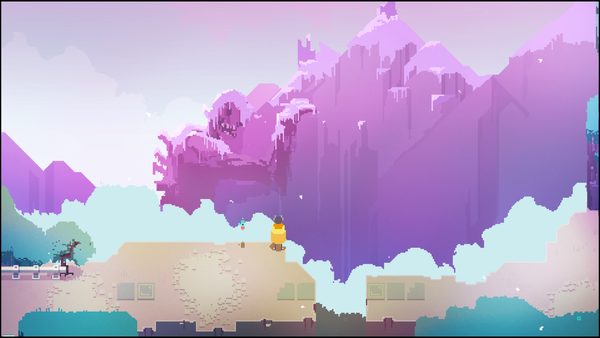
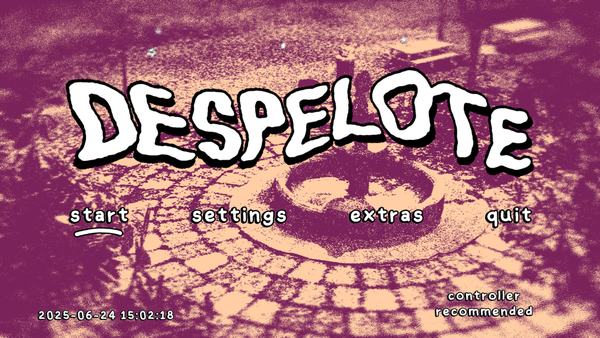
We are capable of buying into crude representations of the human form. We do not require 1:1, video game graphics:frames of a film reel (again games are so desperate to be films) in order to buy into the lie that is being presented to us.
Perhaps part of the blame is the HUD, the constant reminder that what we are watching is a lie, that causes more of a problem than graphics that were rendered in 2005. Imagine watching a movie with the chapter timeline constantly on-screen. Some games have sought to solve this, Dead Space, Mirror’s Edge, Hellblade, though whether in the end it has helped to mitigate the robotism Ed describes is up in the air.
It might be a lack of imagination. A game like Starfield, all your conversations are presented the same way, to the point of parody. Many have complained of the insistence of so many conversations in games at large being displayed as shot, reverse-shot, though as Every Frame a Painting explains here, even that simple mechanic can be utilized to achieve an effect and thematic cohesion/enhancement when done thoughtfully. Something I really think never occurs when developing a game like Starfield. They needed to make a program for every single conversation you will ever have in a game full of hundreds of people to talk to. Direction in Starfield and its ilk are more akin to the Star Wars prequels, as Mr. Plinkett describes, it, “I guess it would have just been a lot harder to film if you had a camera with a steadicam and they’re running through the Jedi Temple and it was all action packed and stuff. That would mean Lucas would have to get off his chair and stop drinking his coffee and would have to move all the monitors and things. Whatever doesn’t require me to have to get off my chair or have to move all this shit. Don’t worry about the audience, as long as you’re comfortable while you’re directing the film that’s all that matters. Just have them talking in front of the green screen and use two cameras to shoot reverse angles, and have them say the lines and just get the scene over with.”
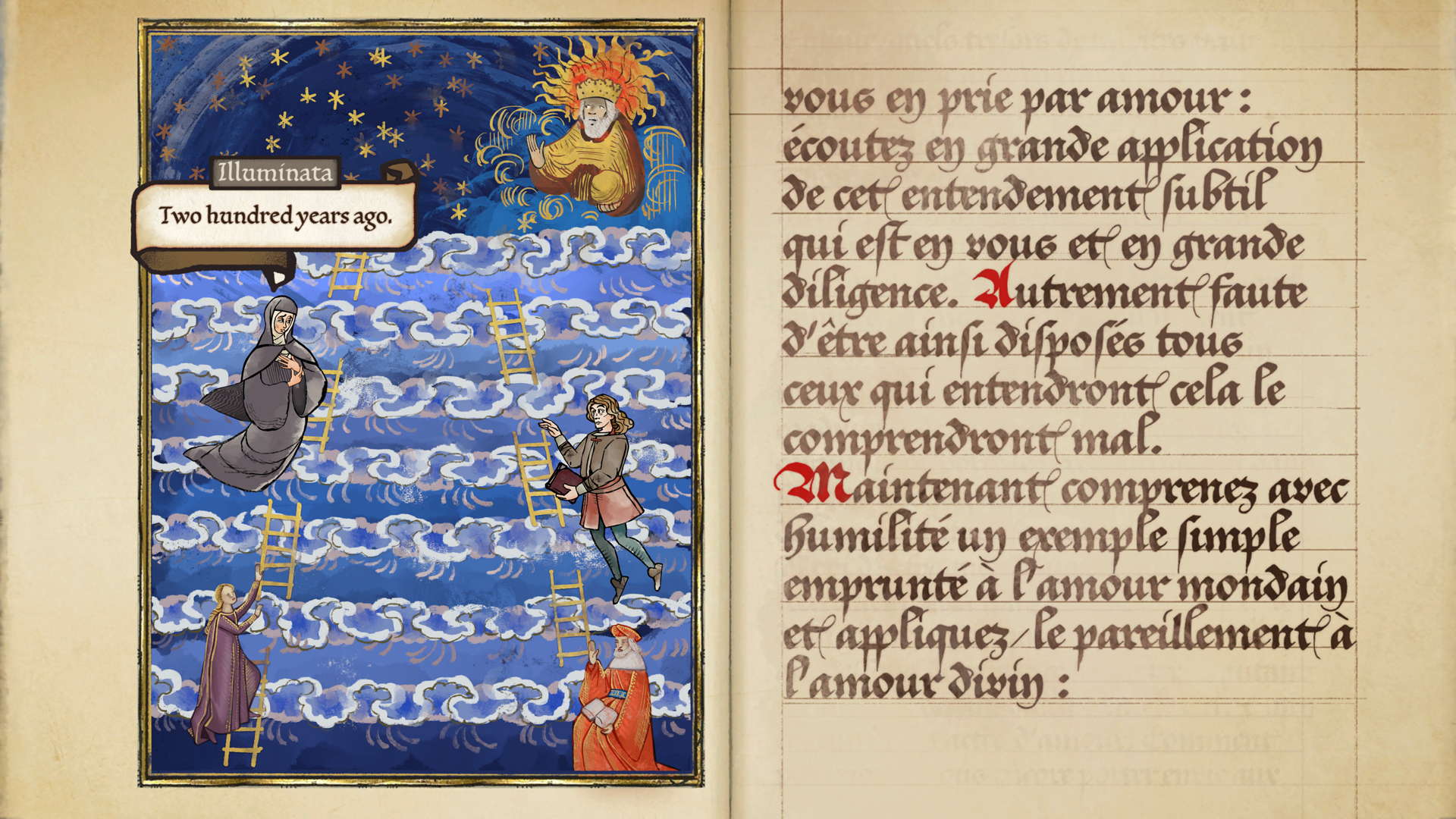
Pentiment, a game that very much looks far from “real” and yet oozes thoughtfulness in nearly every aspect of its presentation, moved me to tears twice over its length. I would humbly offer up Pentiment as the, “proof of gaming’s ability, as an expression form, to successfully capture, reflect, or impress human experience.” It greatly benefits from drawing lots of its presentation from literature, so much so that the game comes with an entire bibliography. Yet it also offers up enough original character and thematic work, allows itself to view the same characters at different sections along the timeline of life, that it becomes literature.
Mostly what I wanted to do here was rail against the race to the bottom in terms of graphical fidelity that the largest studios engage in. It is a race that I believe will be the main cause of a video game “crash” should one happen again, with the massive layoffs of the past 12+ months acting as a presage. All these people are required to make the biggest games with the best graphics attainable, but it is all so unnecessary and needless.