The Parable of Aava the Mountaineer

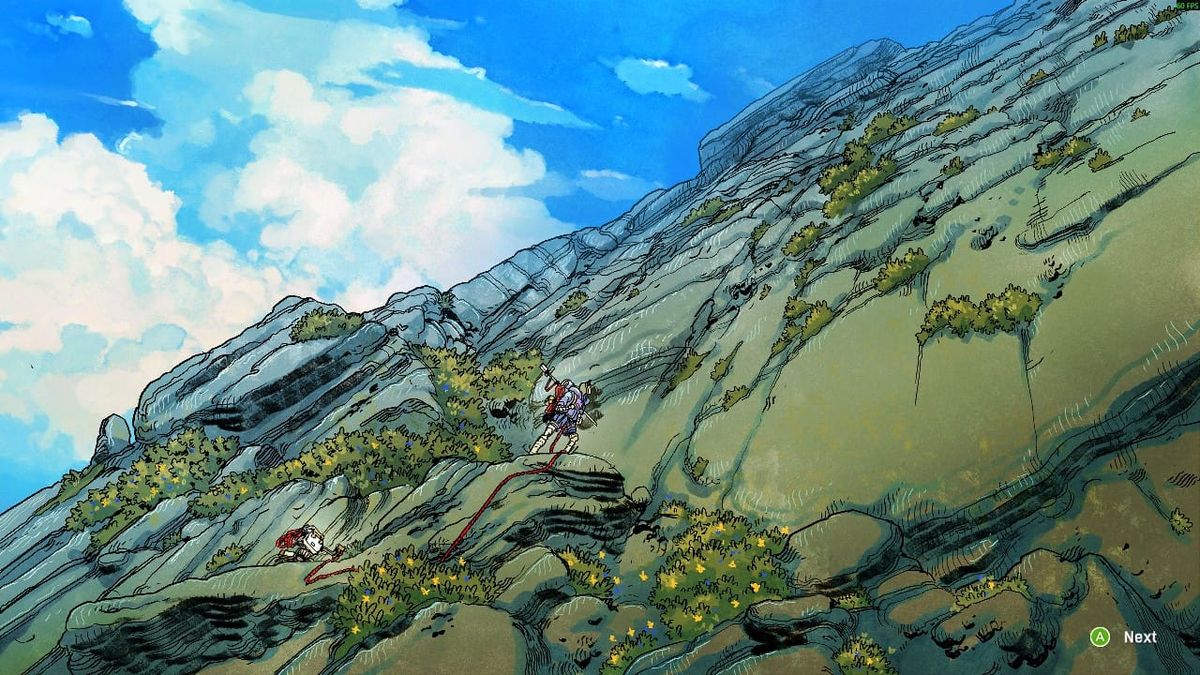
There was a certain woman named Aava who desired to scale the highest mountain in the world: Kami. Her father was a renowned mountaineer, and had placed Aava on the rock wall as early as three. She fulfilled her inheritance, making famous climbs of various mountains, but had at last come for the unconquerable Kami. During her climb she encountered aspects of her personality given flesh. The first was Aava’s desire for solitude: a shepherdess who had achieved it completely, denying sharing even her name so that she may cease to exist to all but herself. The second was Aava’s ambition: a crystal cutter whose obsession with success drove him to kill his competitors and descend into madness. The third and gate keeper of the summit was Aava’s fear of failing: an older climber defeated by the mountain and so spent the remainder of his life at the edge, dissuading others from attempting to succeed where he failed, living in an eternal purgatory.
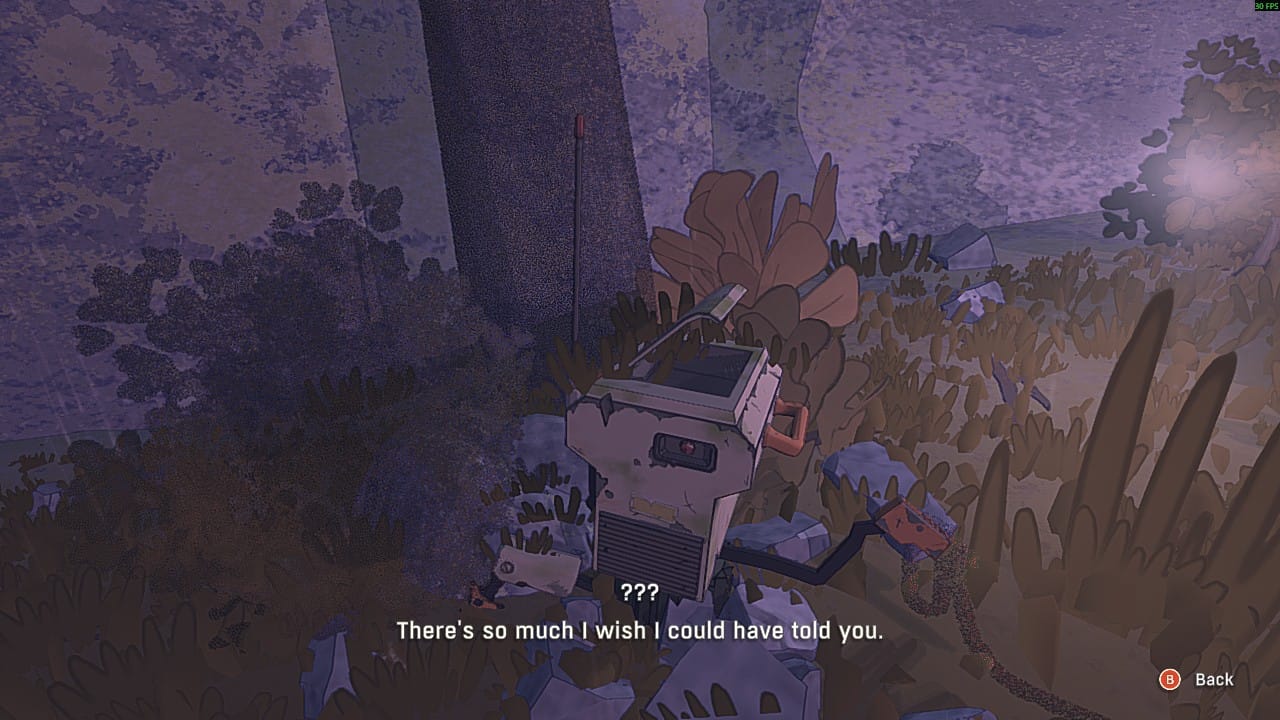
The mountain and its inhabitants were warning and advice for those who would listen. Corpses littered the rock, all leaving traces of regret, having met death due to their stubborn ambitions. Kami was once crowded with a native people who lived vertically. As their population dwindled they decided to incorporate themselves with those who lived horizontally below, integrating and being born anew. Kami not only attempted to deter Aava, who sought to conquer it, but also shined a light on the path to enlightenment. Aava would not heed its wisdom.
Joining Aava in her ascent was another climber named Marco. To her, the climb was only a binary possibility of success or failure. To him it mattered very little whether he actually reached the top, the attempt itself was worthwhile. Marco provoked Aava to reveal more of her true self. She told him to shut up as he rambled and separated herself from him, her incessant pushing endangered his life, and her false offer of going down the mountain with him revealed her inability to help others at the cost of her own success. Aava, in her stubbornness, could not see any alternative to the path she had been on since a toddler. Marco ultimately descends the mountain while Aava continues her ascension, separating at the point of no return.
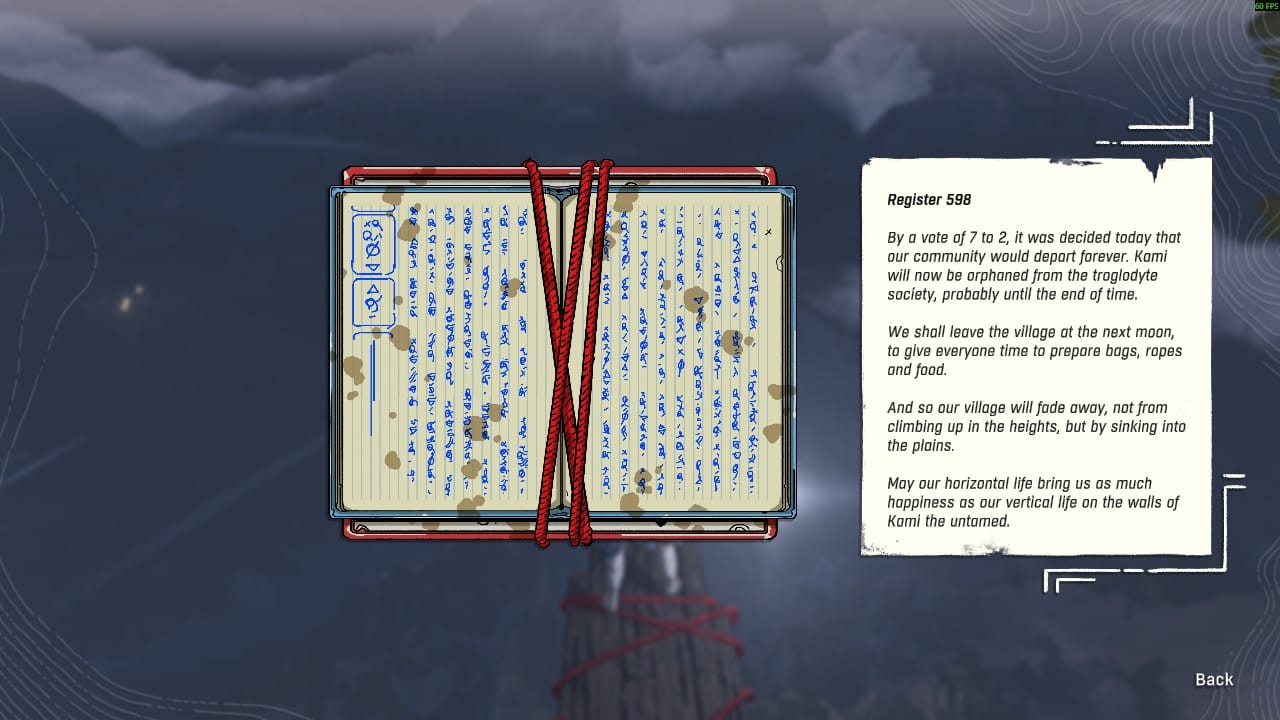
The ascent and descent in Cairn represent two opposing ways of life. The ascent undertaken by Aava and those who came before her are those who denied others for themselves, who were full of regret and loneliness, who were unable to change, and ended in the death of the individual. Those who descended denied themselves in favor of others, who were full of hope and willing to accept their fellow humans, to change their way of living even if it ended in the death of a culture.
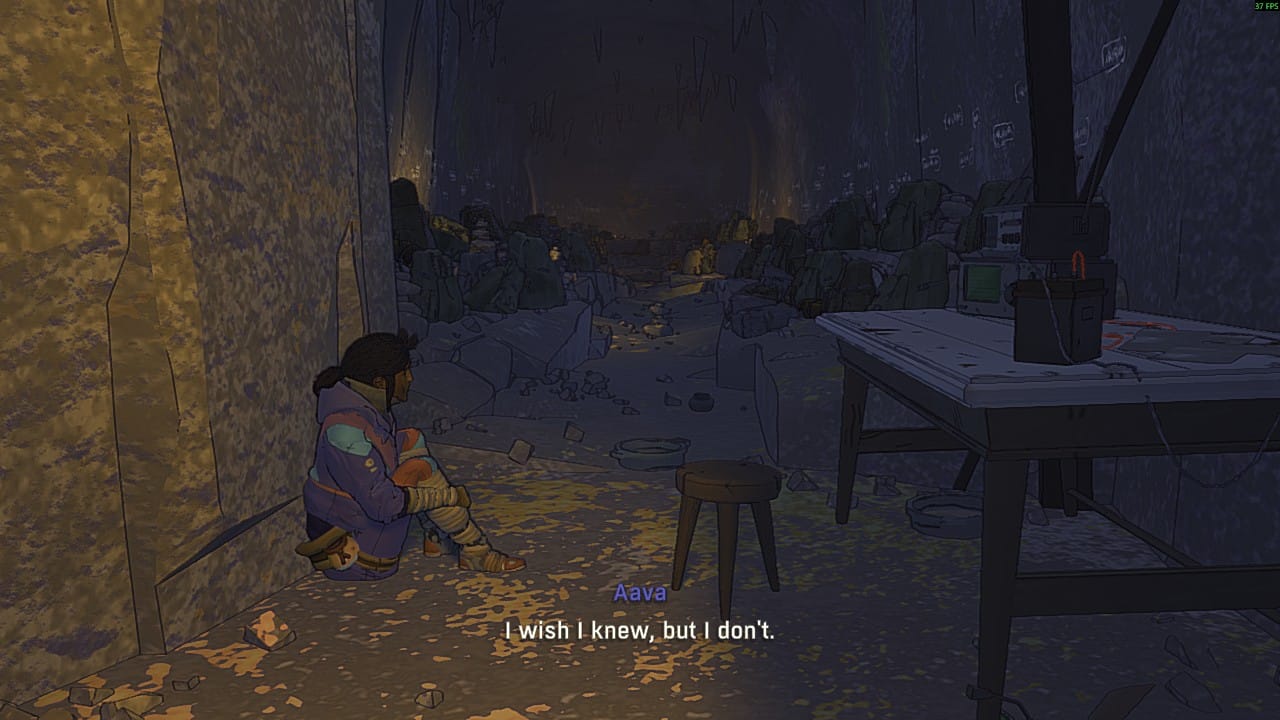
Aava cannot imagine an alternative life and reaches the end of both her journey and herself. Trussed by her own stubbornness, she has reached the point she always intended, for what? There is nobody to share it, and likely no one will ever know. Even her once constant companion, climbot, sputtered into silence just before the summit. She takes no pleasure upon reaching the top, screaming in anguish and frustration that it did not fulfill her. Aava’s journey was self-destructive. She knew no other life because she never lived one that was her own. She was the inheritor of her father’s occupation and fame and fulfilled the expectation until it consumed all she was as a person. She ultimately admits she doesn’t know why she climbs, though only to herself in an empty room full of the orphaned backpacks of her predecessors. In the end, overtaken by a death dream and repeating the same actions she had undertaken all her life, Aava climbs the stars into eternity. Her tale is a warning against chasing an ultimately empty triumph at the cost of those around you, of isolating yourself to achieve false control over your life. There is always an opportunity to descend and embrace others.

[special thank you to Yussef Cole and Artemis Octavio for their feedback on an earlier draft of this.]