Why "Troglodytes" in Cairn?

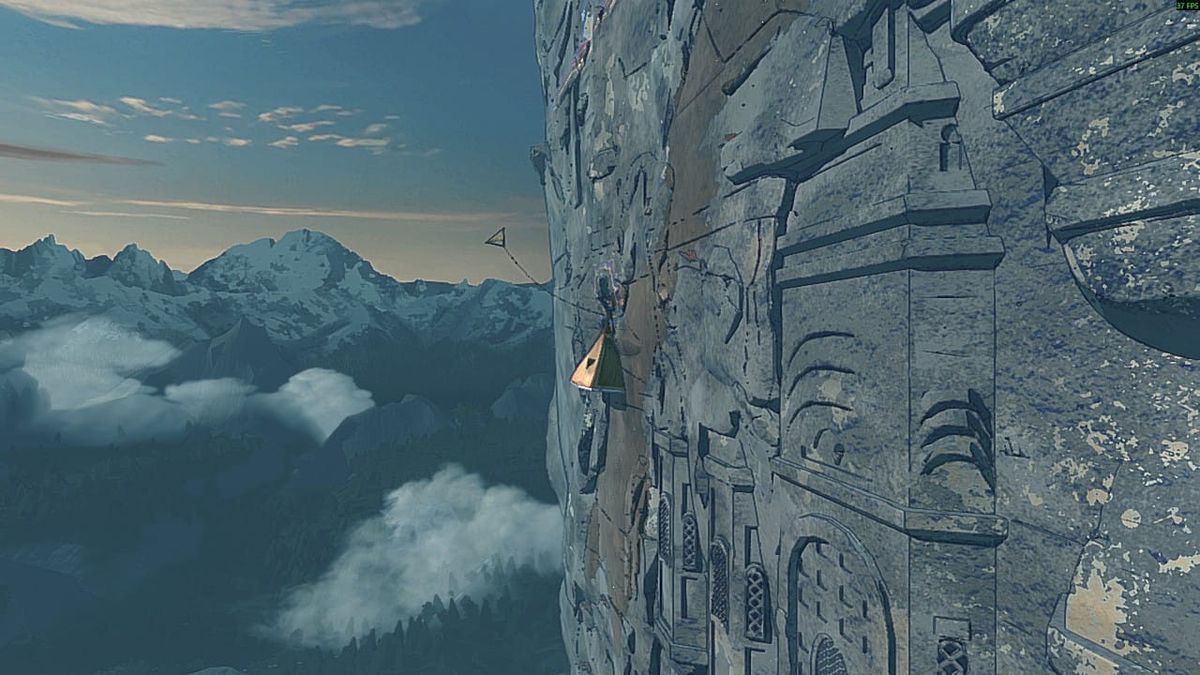
All throughout Aava’s ascent of Kami she comes across remnants of a group who bear the misnomer of troglodyte. I share the same distaste for this term that Jay Castello notes in their writing on Cairn for Unwinnable, “Called only ‘troglodytes’ (literally ‘cave dwellers’ but with an unfortunate association of ignorance and backwardness, at least in British English).” It is simply a term that feels outdated and inaccurate as we learn more about this people group. As Castello also notes, it is surprising how few reviews explicitly mention them, as they dominate the game with their presence.
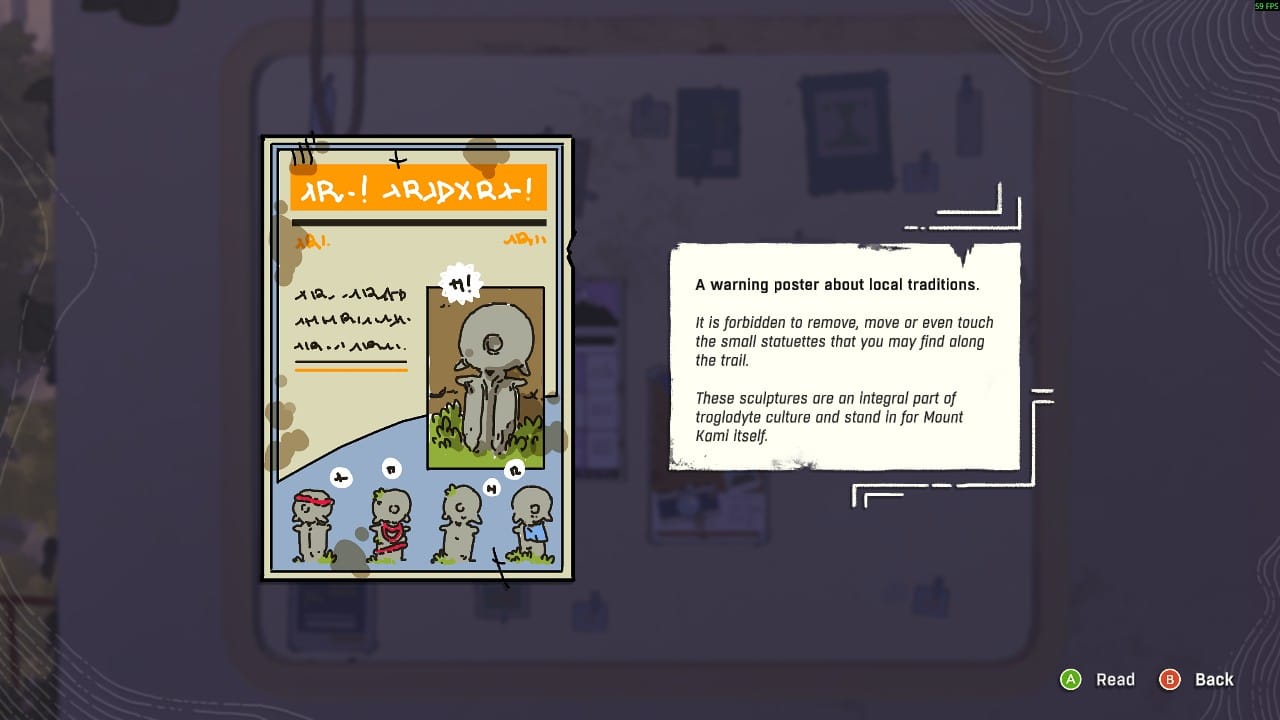
They are first mentioned in a very early landmark bearing an abandoned cable car, and described as, “Kami’s cave-dwellers,” setting up a primitive image of cave people with sticks and stones to hunt and simple animal cloth coverings. However the first structure of theirs you come across after ascending through the cable car stop and its rave cave is an impressively large semi-circle cut into the mountain face with an extensive interior of bedrooms, living spaces, and even classrooms complete with poetry and tables and other furnishings.
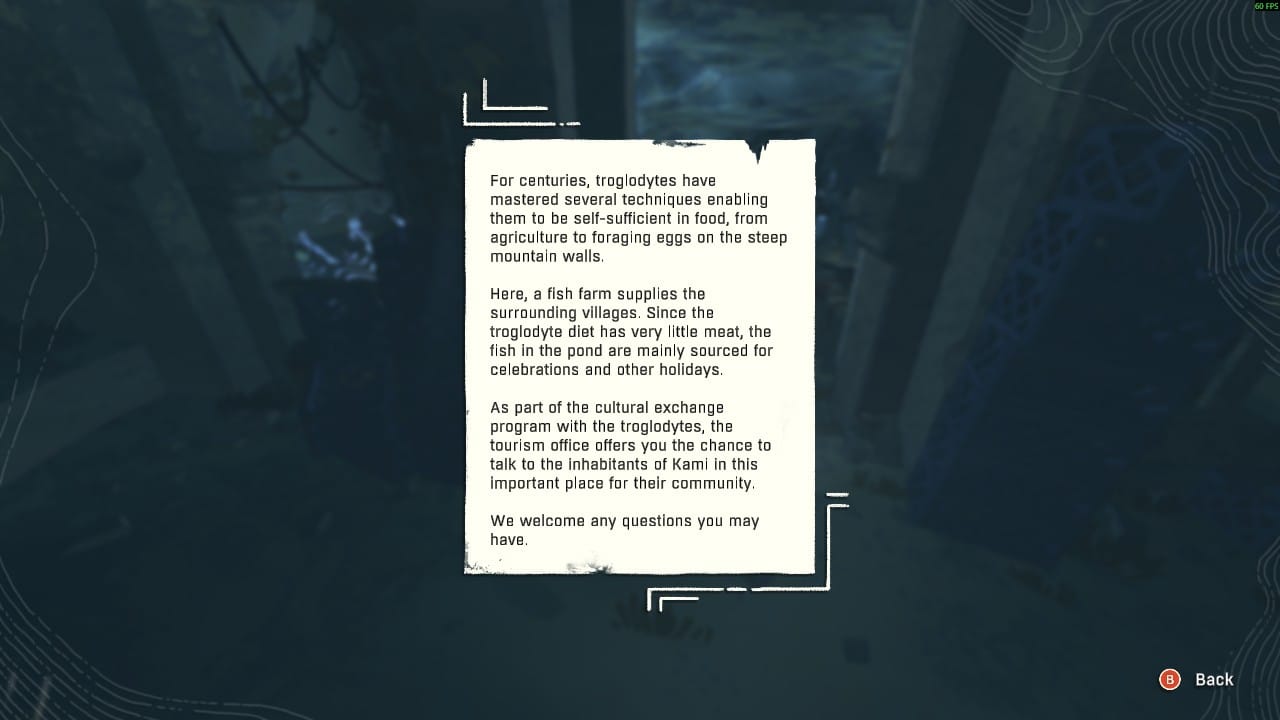
Prior to their abdication of Kami, there was a “cultural exchange program” when the cable car was functioning, in which tourists could speak with a troglodyte and learn about their culture. “At first I thought I was dealing with illiterate, uncultured villagers, but it's nothing of the sort. They have their own school, knowledge, and literature. In many regards, troglodyte culture is older than our own, we’ve just taken different paths.” Why then choose the word troglodyte to be the name of these people if they are intentionally not fulfilling the imagery behind that word? It is such a confusing choice given that they came up with Kami for the name of this game’s fictional Mount Everest. Why then not come up with a similarly fictional name for its abstraction of the native sherpa people of the Himalayas?
I must stress, there is not a stop or landmark in between the first two sections and the very last stretch of your climb of Kami that is not sourced from this culture. Their remnants, from their carving of homes, statues, and places of religion out of the rock to their many notes, letters, and documents left behind after their abdication, absolutely dominate the game. That is why it is so surprising that they barely make any mention within most reviews. Out of the 97 reviews listed on OpenCritic for Cairn only 13 mention the term explicitly and a majority are as simple mention of their existence and not what they might mean, save for Will Borger at IGN. As I laid out in my writing of Cairn as a parable, their descent from Kami was a pathway for Aava to follow to regain her humanity. They gave up their entire culture and homeland in order to be amongst those who live horizontally. And they did so willingly. A dwindling population is recorded in an undated census, a grouping of what was once 150 becoming only 12. The final vote to descend was between 9, with 7 in favor.
They came from beyond the summit’s tail
From whence the troglodytes hail
So long ago did they descend from the stars
Their memory dwells in ancestral scars
First out of the cave they then climbed without relent
For the summit of Kami is a dream well spent
This is one of the poems you find within a classroom and is very relevant to the imagery at the ending of Cairn. This self-use of the term also made me question: troglodytes seems to be a name assigned by outsiders but then you read their literature and question if they gave that name to themselves or is that merely the translation from their language into ours? It is confusing to think a people would call themselves troglodytes. If it was a name assigned by outsiders, why not come up with a unique new name to call them by instead of this archaic term for cave dwellers that calls to mind racist imagery of Europeans reacting in shock to the perceived "savagery" of foreign cultures, largely African.
The French connection between The Game Bakers and Sandfall Interactive reminded me of some of the interpretations the latter's depiction of Gestrals. This was first brought to my attention by way of Nick Capozzoli, then further fleshed out by Ache in their review of Clair Obscur: Expedition 33 for YouTube: Expedition 33 : Entre Nationalisme, Misogynie et Haine de l'Etranger. They explain how the game reproduces certain tropes with the Gestral that is reminiscent of the way France justified its exploitation of its colonies. (As Ache denotes in the video description, "English subs are the auto-translate from Youtube that I've reviewed. They should be understandable and reflect my words ! But they're nothing close to a professionnal [six] translation, and might contain some mischaracterization.")
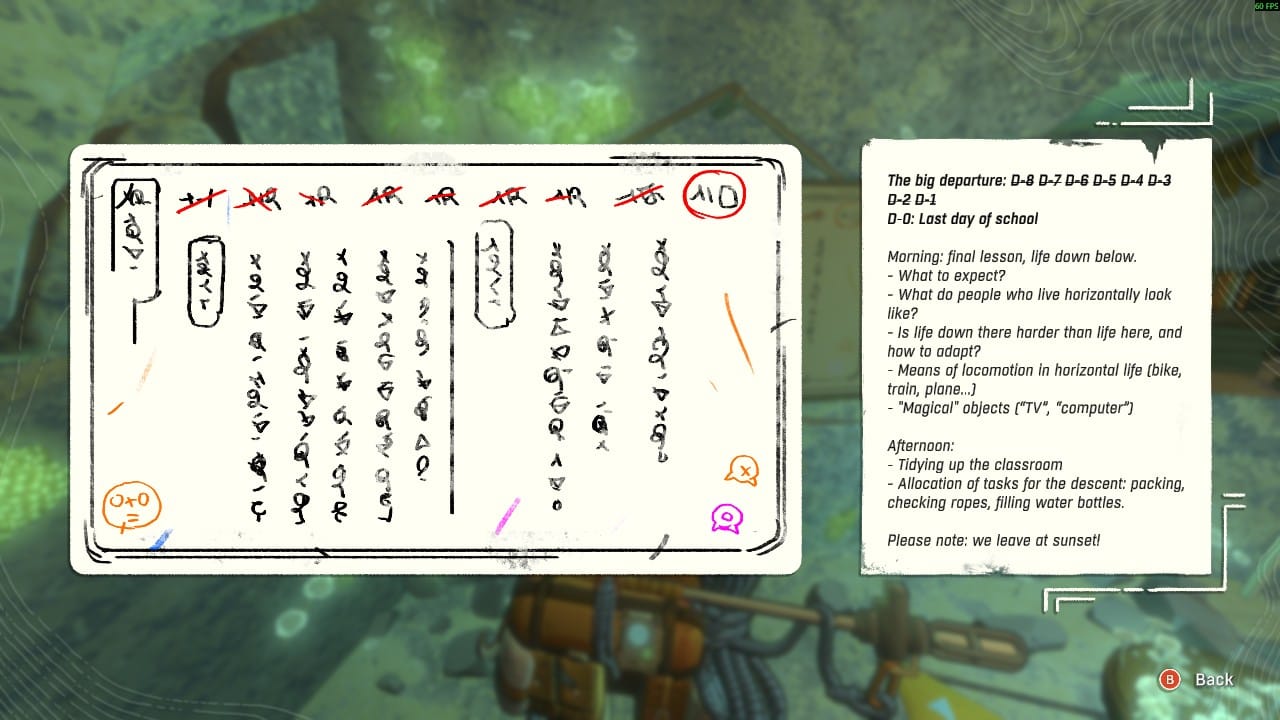
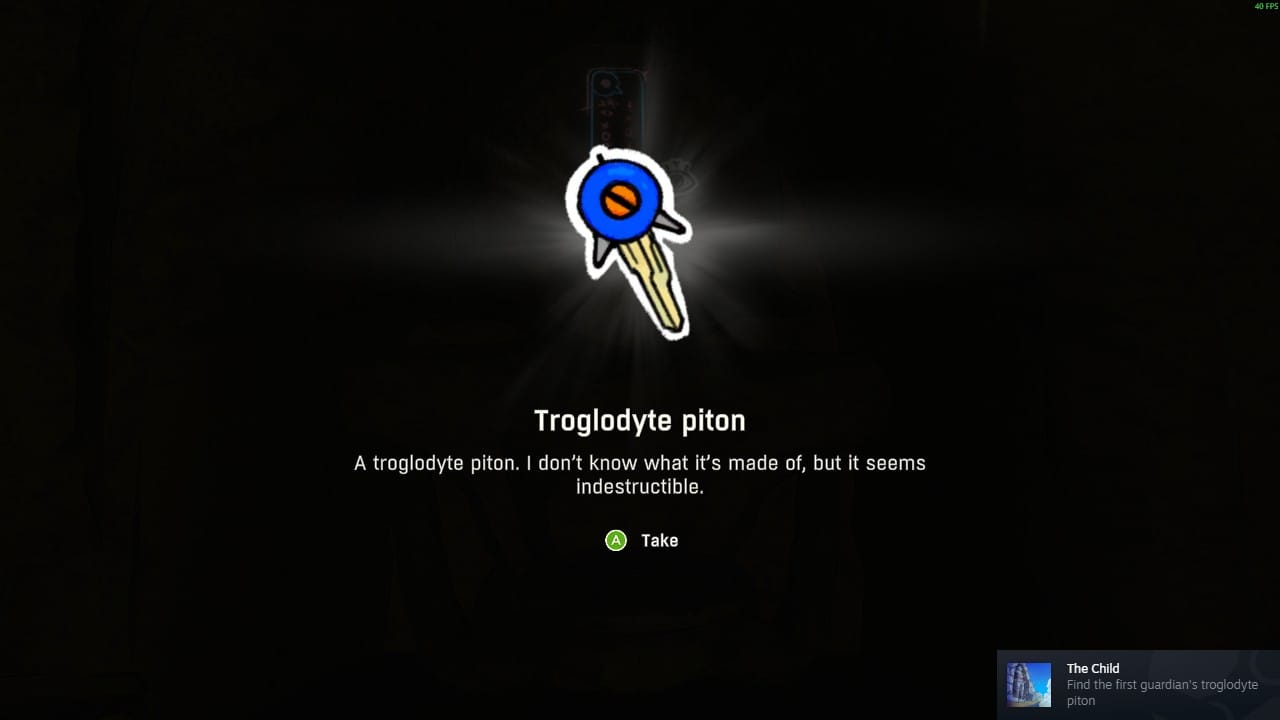
Troglodytes in Cairn tap into some similar tropes about cultures that never reached an industrial revolution, that exoticizes them. Aava can come across troglodyte pitons, made of unknown material that are indestructible unlike your modern ones. This plays into a larger conservative trope found within a ton of fiction: ancient lost civilizations that are somehow more advanced than our current one. Simplified: things used to be better in a fantasized past. There is a note about the “magical” objects that await the troglodytes below the mountain: TVs and computers. As an ancient "unenlightened" culture they are much more spiritual than any indication we receive from Aava or Marco or the other people met on Kami. Their eventual absorption into the larger, “modern” world presents them as a backwards, out of time people. One whose only salvation from extinction was to give up and assimilate. These were people who were entirely self-sufficient and existed for centuries prior to their “discovery” by the rest of the world. Why did their numbers all of a sudden begin to dwindle? One letter you find offers an explanation, “most people had already left, and the few that remained were all too eager to discover the world below. So it goes, the age of the troglodytes has passed.” Enticed by the world below, they descended and left Kami empty.
The troglodytes as a people could not exist in service of Aava’s parable by being present. It is only through their absence do they call attention to what Aava could do as an alternative to climbing to her potential death. Games frequently rely on notes left behind, whether it be written or audio logs, because it is easier to render a static message than a living kinetic being. You do meet flesh and blood individuals throughout the mountain but they are few and each serve a specific purpose in Aava’s parabalistic journey. Having a village of natives to pass through like Nathan Drake does in Uncharted 2: Among Thieves would not have greatly benefitted what the game says about Aava. However it comes at the cost of muddling what is supposed to be an analogue of the sherpa people in favor of our protagonist, who is traversing a land that is not her own.
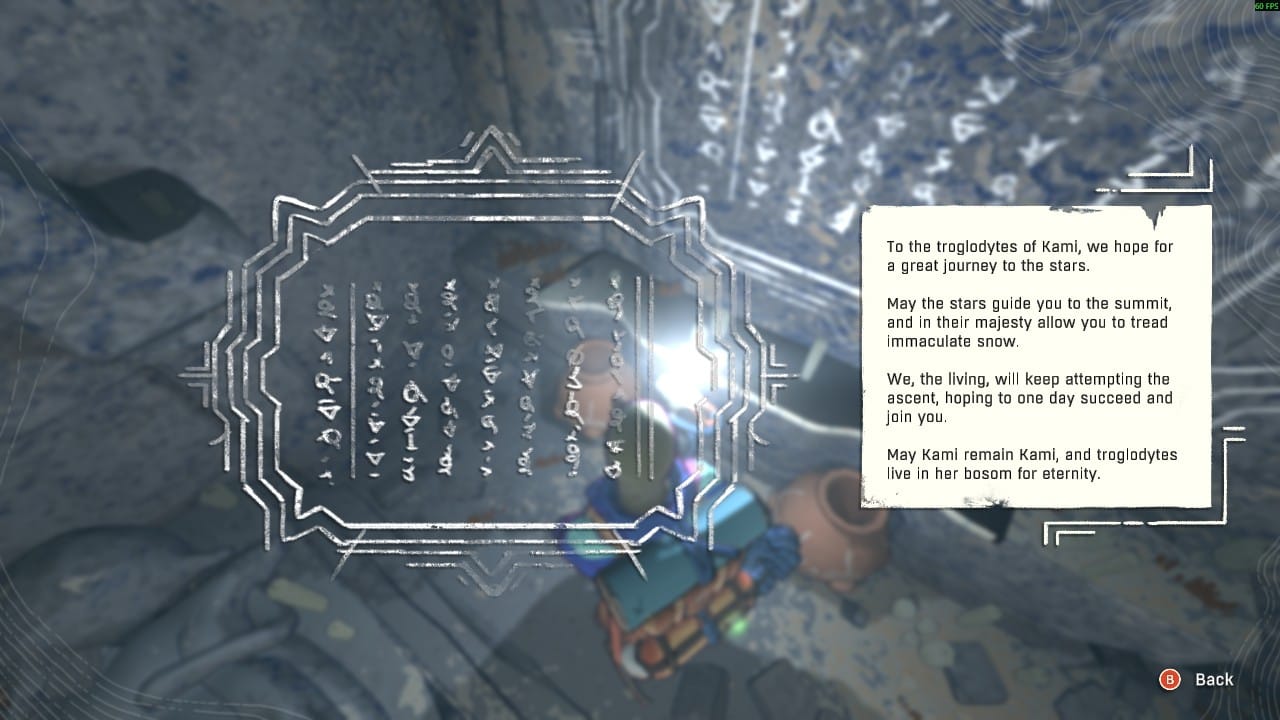
Even though Kami may no longer bear any of her children, when Aava lit their beacon, indicating an attempt at the summit, it was answered by multiple fires around Kami. Despite the mountain being emptied, some aspects of its culture continues. One of the notes you find, made tragic by you receiving it long after it was written, states: “May Kami remain Kami, and the troglodytes live in her bosom for eternity.” They exist, but only in response to Aava, to the player, not as their own independent people, not anymore.